
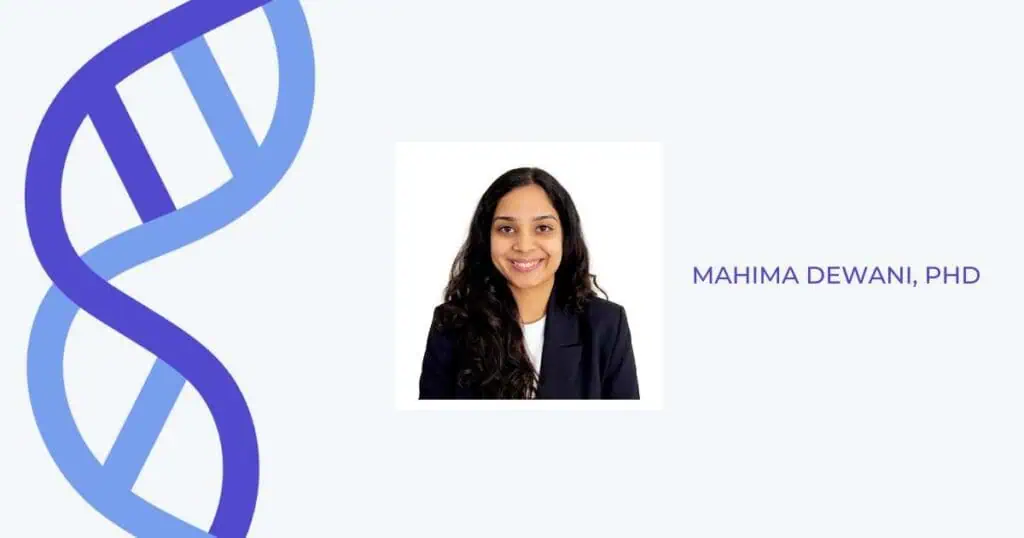
Mahima Dewani, PhD- Brigham and Women’s Hospital, Harvard Medical School
Rewriting the Brain’s Code: Nose-to-Brain Gene Therapy for SCN1A Haploinsufficiency
Postdoctoral Fellowship- $75,000 over 1 year
Grant Summary from the Investigator:
Dravet syndrome is a devastating form of childhood epilepsy that causes frequent, hard-to-control seizures, developmental delays, and high risk of sudden death. Current medicines help only partly, and many children continue to suffer daily seizures. Our research is exploring a new way to treat Dravet syndrome by delivering healthy genetic instructions directly to the brain. Instead of using viruses or risky brain injections, we are designing tiny carriers that travel from the nose to the brain to deliver these instructions safely and non-invasively. We will test hundreds of different carrier designs to discover which ones reach brain cells most effectively. The goal is to restore the brain’s balance, reduce seizures, and improve learning, memory, and quality of life for children and families affected by this catastrophic disease.
About the Investigator:
Dr. Mahima Dewani is a Postdoctoral Fellow in the Joshi Lab at Brigham and Women’s Hospital and Harvard Medical School, where she develops targeted gene therapy and RNA delivery platforms to address complex inflammatory and neurological disorders. Her work integrates disease biology with advanced delivery technologies to create therapeutic systems that precisely reach the right cells, act at the right time, and ultimately improve long-term outcomes for patients with severe neurological disease. Dr. Dewani completed her Ph.D. in Biomedical Engineering at the Indian Institute of Technology Bombay as a Prime Minister Research Fellow, where her research centered on disease-responsive biomaterials and lesion-targeted therapeutics. Across her doctoral and postdoctoral training, she has focused on translating engineering innovations into meaningful clinical impact, with the long-term goal of building transformative therapies for patients with limited treatment options.
This grant was supported in part by The Cael Hill Foundation