
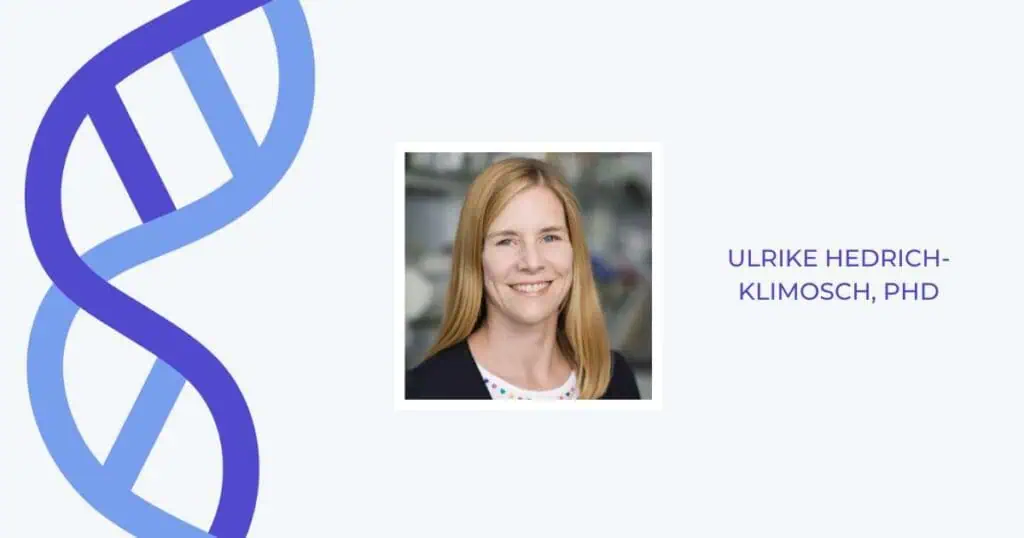
Ulrike Hedrich-Klimosch, PhD- University of Tuebingen
Mapping Early Postnatal Brain Development in Dravet Syndrome Using Multimodal Approaches
Research Grant- $248,901 over 2 years
Summary from the Investigator:
Dravet syndrome (DS) is a severe form of epilepsy that begins in infancy and is often resistant to treatment. It not only causes frequent seizures but also affects brain development, leading to learning difficulties and other challenges. It is known that certain brain cells responsible for calming down excessive activity—called inhibitory neurons—don’t mature properly in DS, and this is closely tied to the start of seizures. However, new research suggests that problems in brain development may begin even earlier, before these calming neurons have fully matured and before seizures start. In this project, we aim to study these very early changes using a well-established mouse model of DS that carries a common genetic mutation found in people with the disorder. We will take a close look at how brain cells grow, connect, and communicate in the first days of life—before seizures begin. To do this, we will combine cutting-edge techniques to examine how genes are turned on and off in individual brain cells, how individual neurons function, and how groups of neurons behave together as a network. By uncovering when and how brain development first begins to diverge in DS, this research may help uncover new ways to detect the disease earlier and design treatments that could prevent or reduce its long-term impact. Ultimately, this work aims to support the development of earlier and more effective therapies for children affected by DS and related forms of epilepsy.
About the Investigator:
Dr. Ulrike Hedrich-Klimosch is a neuroscientist and Junior Group Leader at the Hertie Institute for Clinical Brain Research at the University of Tübingen. She studied Biology at Ulm University with a focus on zoology and neurobiology, followed by a PhD and an initial postdoctoral position in the Institute of Neurobiology at Ulm University. Motivated by the desire to apply her experimental expertise in a field with direct translational impact, she subsequently moved into experimental neurology and completed a postdoctoral fellowship in the laboratory of Professor Holger Lerche, where she now leads her own junior research group.
Her research explores the molecular and cellular mechanisms of rare genetic neurological channelopathies, including sodium and potassium channel disorders that manifest as epilepsy, hemiplegic migraine, or ataxia. She is particularly interested in how pathogenic variants alter neuronal excitability, network behavior, and ultimately clinical phenotype. Using electrophysiological, cellular, and molecular approaches, her work aims to elucidate disease mechanisms and identify novel therapeutic approaches across these related but diverse neurological conditions.
Dr. Hedrich-Klimosch has been awarded competitive research funding and contributes to the field through her publications, collaborations, and mentoring of early-career scientists. Her group operates at the intersection of basic neuroscience and translational research, with the overarching goal of advancing mechanistic understanding and improving treatment options for individuals affected by rare genetic neurological disorders.