nichelle@dravetfoundation.org

Dewani grant 2025

Rewriting the Brain’s Code: Nose-to-Brain Gene Therapy for SCN1A Haploinsufficiency

Mahima Dewani, PhD- Brigham and Women’s Hospital, Harvard Medical School Rewriting the Brain’s Code: Nose-to-Brain Gene Therapy for SCN1A HaploinsufficiencyPostdoctoral Fellowship- $75,000 over 1 year Grant Summary from the Investigator: Dravet syndrome is a devastating form of childhood epilepsy that causes frequent, hard-to-control seizures, developmental delays, and high risk of sudden death. Current medicines help […]

Rewriting the Brain’s Code: Nose-to-Brain Gene Therapy for SCN1A Haploinsufficiency Read More »

Goldberg grant 2025

Neuromodulation for Dravet Syndrome: Preclinical Validation of a Novel Therapeutic Mechanism

Ethan M. Goldberg, MD, PhD- The Children’s Hospital of Philadelphia Neuromodulation for Dravet Syndrome: Preclinical Validation of a Novel Therapeutic MechanismResearch Grant- $250,000 over 2 years Grant Summary from the Investigator: Children with Dravet syndrome experience epilepsy as well as comorbid psychiatric symptoms including aggression, self-injury, and mood disorder. ~ 90% of children with Dravet

Neuromodulation for Dravet Syndrome: Preclinical Validation of a Novel Therapeutic Mechanism Read More »

Mori grant 2025

Mechanisms of Seizure Prevention by Tau Reduction in Scn1aRX/+ Mice

Megumi Mori, PhD- Gladstone Institutes and University of California San Francisco Mechanisms of Seizure Prevention by Tau Reduction in Scn1aRX/+ MicePostdoctoral Fellowship- $75,000 over 1 year Recipient of the Elliot Meskis Award for an Exceptional Postdoctoral Fellow which provides a $2,500 grant supplement for professional development. Summary from the Investigator: There is currently no cure

Mechanisms of Seizure Prevention by Tau Reduction in Scn1aRX/+ Mice Read More »

Hedrich grant 2025

Mapping Early Postnatal Brain Development in Dravet Syndrome Using Multimodal Approaches

Ulrike Hedrich-Klimosch, PhD- University of Tuebingen Mapping Early Postnatal Brain Development in Dravet Syndrome Using Multimodal ApproachesResearch Grant- $248,901 over 2 years Summary from the Investigator: Dravet syndrome (DS) is a severe form of epilepsy that begins in infancy and is often resistant to treatment. It not only causes frequent seizures but also affects brain

Mapping Early Postnatal Brain Development in Dravet Syndrome Using Multimodal Approaches Read More »

Catalfio grant 2025

Investigating effects of the pathogenic developmental and epileptic encephalopathy patient variant, SCN1B-p.R98C, on cognition and hippocampal function

Amanda Catalfio, PhD- University of Michigan Investigating effects of the pathogenic developmental and epileptic encephalopathy patient variant, SCN1B-p.R98C, on cognition and hippocampal functionPostdoctoral Fellowship- $75,000 over 1 year Summary from the Investigator: Dravet syndrome (DS) is a devastating developmental and epileptic encephalopathy. Symptoms include treatment-refractory epilepsy with complex cognitive and behavioral outcomes that are associated

Investigating effects of the pathogenic developmental and epileptic encephalopathy patient variant, SCN1B-p.R98C, on cognition and hippocampal function Read More »

Brunklaus grant 2025 1

Predicting Dravet syndrome outcomes: harnessing natural history data and biomarker discovery to inform early diagnosis and targeted intervention

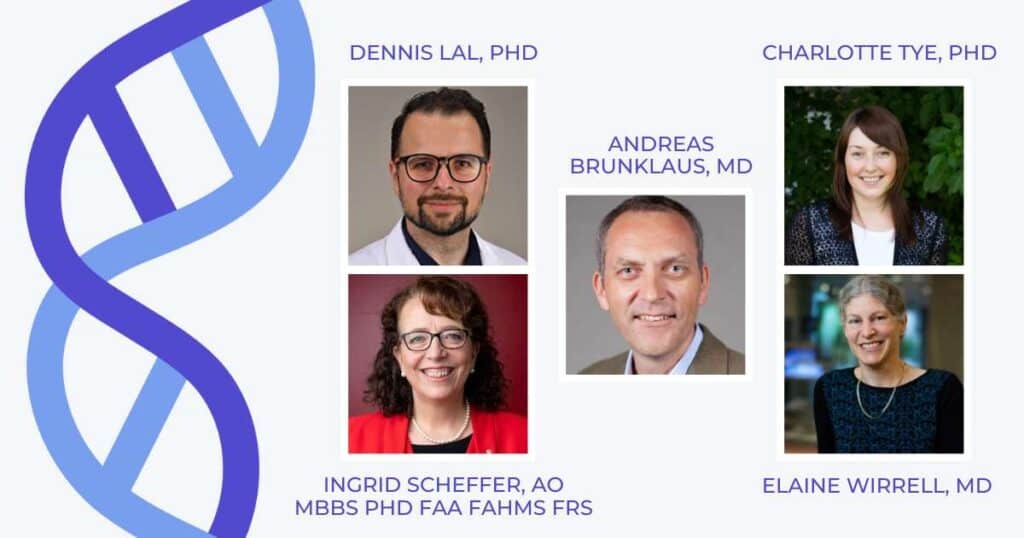
Professor Andreas Brunklaus, MD, MRCPCH- Royal Hospital for Children GlasgowCharlotte Tye, PhD- King’s College LondonElaine Wirrell, MD- Mayo ClinicLaureate Professor Ingrid Scheffer AO MBBS PhD FAA FAHMS FRS- University of Melbourne, Austin Health and Royal Children’s Hospital, Florey and Murdoch Children’s Research Institutes, Melbourne, AustraliaDennis Lal, PhD- UT Health Houston Predicting Dravet syndrome outcomes: harnessing

Predicting Dravet syndrome outcomes: harnessing natural history data and biomarker discovery to inform early diagnosis and targeted intervention Read More »

Andrade grant 2025

Prospective Study of Accelerated Aging in Adults with Dravet Syndrome

Danielle Andrade, MD, MSc, FRCPC, CSCN- University of Toronto Prospective Study of Accelerated Aging in Adults with Dravet SyndromeTransformational Science Grant- $499,455 over 3 years Summary from the Investigator: Dravet syndrome is a rare and serious form of epilepsy that begins in infancy. Thanks to better medical care, most people with Dravet live into adulthood.

Prospective Study of Accelerated Aging in Adults with Dravet Syndrome Read More »

Nord grant 2025

Cell-type resolved molecular and functional pathology in Scn1a mutant mouse cerebellum

Alex Nord, PhD- University of California DavisDiasynou Fioravante, PhD- University of California Davis Cell-type resolved molecular and functional pathology in Scn1a mutant mouse cerebellumResearch Grant- $249,960 over 2 years Summary from the Investigators: Dravet syndrome (DS), caused by loss of function mutations to the SCN1A gene, is characterized by refractory epilepsy accompanied by cognitive, social,

Cell-type resolved molecular and functional pathology in Scn1a mutant mouse cerebellum Read More »

2025 grant knupp

Longitudinal Dravet Syndrome Natural History Study

Kelly Knupp, MD – Children’s Hospital Colorado Longitudinal Dravet Syndrome Natural History Study Special Project Funding: 3 years – $662,231 Grant Summary from the Investigators: The Dravet Lifespan Multidisciplinary Clinic at Children’s Hospital Colorado in collaboration with the Dravet Syndrome Foundation is pleased to announce the Dravet Syndrome Natural History Study.  A natural history study

Longitudinal Dravet Syndrome Natural History Study Read More »

Scroll to Top