
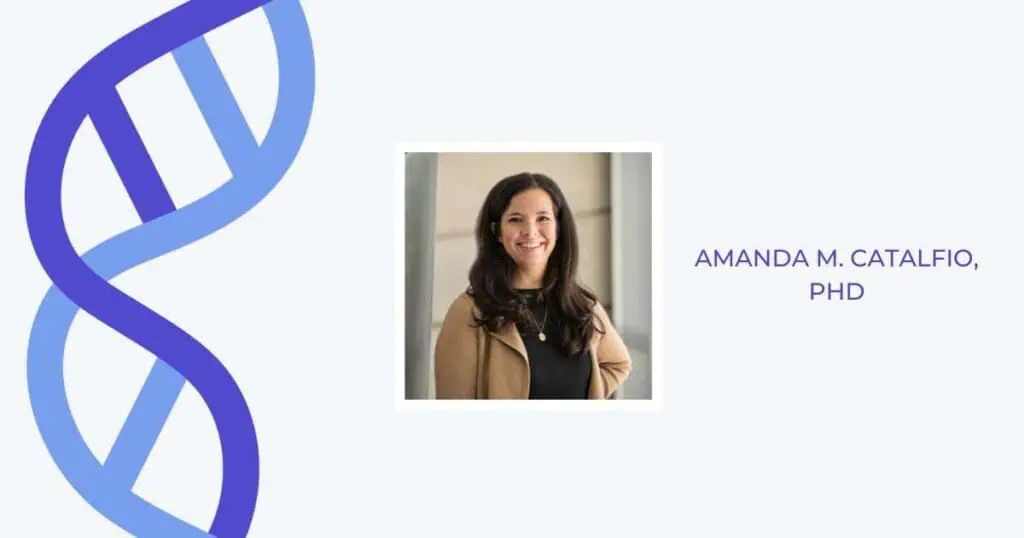
Amanda Catalfio, PhD- University of Michigan
Investigating effects of the pathogenic developmental and epileptic encephalopathy patient variant, SCN1B-p.R98C, on cognition and hippocampal function
Postdoctoral Fellowship- $75,000 over 1 year
Summary from the Investigator:
Dravet syndrome (DS) is a devastating developmental and epileptic encephalopathy. Symptoms include treatment-refractory epilepsy with complex cognitive and behavioral outcomes that are associated with decreased quality of life. Despite this complex presentation, treatments focus on controlling seizures, highlighting the urgent need for therapies that also address non-seizure behavioral outcomes. There is a small but growing population of DS cases that are caused by variants in the sodium channel gene SCN1B that are inherited from both parents. While Scn1b mice have seizures and SUDEP, we do not yet know whether they mirror DS behavioral outcomes. Importantly, the hippocampus is a key brain area responsible for human cognition and memory. Here, we will utilize a SCN1B patient variant knock-in mouse model, Scn1b-p.R89C, to test the hypothesis that SCN1B-linked DEEs affect cognitive behaviors and hippocampal function.
About the Investigator:
Dr. Catalfio is a postdoctoral fellow in the lab of Dr. Lori Isom at the University of Michigan. The lab focuses on voltage-gated sodium channel function and the roles of sodium channel gene variants in developmental and epileptic encephalopathy (DEE), including Dravet syndrome. In 2023, Dr. Catalfio received her PhD in Pharmacology at the University of Michigan. As a postdoctoral fellow in the Isom lab, she is interested in understanding the mechanisms of non-seizure phenotypes of Dravet Syndrome, such as cognition and memory.